The need for clean energy is on the rise. Knowing the cost of a 500 watt solar panel in India is key for homes and businesses. Thanks to green energy awareness and government support, solar power is getting cheaper. This article gives you the latest on prices, subsidies, and how they affect your solar investment.
Key Takeaways
- The 500 watt solar panel is gaining popularity in India for both residential and commercial use.
- Government subsidies play a critical role in making solar energy more affordable.
- Investing in solar panels contributes to sustainability and cuts down energy bills.
- It’s vital to keep up with current market prices for effective budgeting.
- Understanding subsidy calculations can help save on solar investments.
Understanding Solar Panels and Their Benefits
Solar panels are a big step towards using clean energy. They offer many benefits, like saving money on electricity. They also help us not depend so much on old energy sources.
What Makes Solar Energy a Great Choice?
Choosing solar energy is smart for your wallet and the planet. It can lower your electricity bills a lot. Plus, it’s a clean, endless resource found everywhere.
Environmental Impact of Solar Energy
Solar panels help fight climate change by cutting down carbon emissions. They use sunlight instead of fossil fuels. This makes our planet healthier and saves natural resources for the future.
In short, solar energy is great for saving money and for the environment. It helps us build a better, greener future.
500 Watt Solar Panel Price in India
The demand for solar energy in India is growing fast. 500-watt solar panels are becoming more popular. It’s important for buyers to know the current prices and what affects them.
Current Market Prices
Prices for 500-watt solar panels in India vary. They depend on where you are and who you buy from. On average, you can expect to pay between ₹15,000 and ₹25,000 for one panel. The price can change based on local demand, supply, and the brand.
Factors Affecting Pricing
Several things can change the price of a 500-watt solar panel:
- Brand Reputation: Well-known brands usually cost more. This is because they are reliable and offer good warranties.
- Quality of Materials: Panels made with better materials cost more. But, they are often more efficient.
- Government Tariffs: Taxes and duties can also affect the price. This is true if the panels are imported.
- Market Trends in India: Prices can go up or down based on demand and policies. Staying updated on market trends can help you understand price changes.
Subsidy Calculations for Solar Panels in India
India’s push for solar energy gets a big boost from government support. These efforts make solar panels more affordable. Each scheme offers unique benefits, making solar panel subsidies attractive for 500-watt systems.
Government Schemes and Their Benefits
India has many government schemes to help with solar panel installations. These schemes offer financial help, reducing the upfront cost. The benefits include:
- Substantial savings on upfront costs.
- Lower electricity bills over time.
- Increased property value with renewable energy.
- Environmental benefits for a cleaner future.
Detailed Breakdown of Subsidy Amounts
The subsidy for 500-watt systems varies by state and cost. This means homeowners get help tailored to their needs.
| State | Installation Cost (INR) | Subsidy Amount (INR) | Final Cost after Subsidy (INR) |
|---|---|---|---|
| Maharashtra | 50,000 | 10,000 | 40,000 |
| Karnataka | 52,000 | 12,000 | 40,000 |
| Tamil Nadu | 48,000 | 9,000 | 39,000 |
Exploring the PM Surya Ghar Yojana
The PM Surya Ghar Yojana is a major program for promoting solar energy in Indian homes. It helps families switch to renewable energy, leading to savings. This makes solar panels more affordable for everyone.
What is the PM Surya Ghar Yojana?
This program is a big part of India’s push for more solar energy. It offers financial help for installing solar panels. This way, the government wants to make homes cleaner and electricity cheaper for all.
How to Apply for the Subsidy
Homeowners wanting to get solar subsidy through PM Surya Ghar Yojana need to follow a few steps. Here’s how:
- Go to the official government website for PM Surya Ghar Yojana.
- Complete the application form with the needed information.
- Submit your ID and proof of where you live.
- Wait for approval to begin installing solar panels.
By joining this program, you help the planet and save money. The PM Surya Ghar Yojana makes it easier for homeowners to manage their energy needs.
IB Solar’s Optima Series: A Closer Look at the 300W Panel
IB Solar’s Optima Series is a top pick in solar energy. Its 500W panels are built for top performance and reliability. They are great for homes and businesses alike.
These panels have high efficiency and last a long time. This makes them a smart choice for the future.
Why Choose IB Solar’s Panels?
IB Solar’s panels have many benefits. Their 500W panels are more efficient than many others. This means you can get more energy from less space.
IB Solar also focuses on quality. They test their panels thoroughly and get certifications. This ensures they work well for a long time.
They also offer a strong warranty. This gives customers peace of mind and protects their investment.
Technical Specifications of the Optima Series
Knowing the details of solar panels is important. Here are the specs for IB Solar’s Optima Series 500W panels:
| Specification | Details |
|---|---|
| Power Output | 300W |
| Panel Dimensions | 1650 mm x 992 mm x 40 mm |
| Weight | 18 kg |
| Efficiency Rate | Up to 19.5% |
| Material | Monocrystalline Silicon |
| Temperature Coefficient | -0.35%/°C |
| Warranty | 25 years linear power output warranty |
Choosing IB Solar’s 500W panels means you get great performance and durability. They are a smart choice for green energy.
Affordable Solar Options for Homeowners
In India, homeowners can save a lot on energy and help the planet by looking into solar power. Rooftop solar systems are a top pick because they’re affordable. Knowing the costs and tech behind them helps homeowners make smart choices.
Choosing Cost-Effective Solar Solutions
When picking solar options, homeowners should think about a few things. Rooftop systems cost less to start than big solar farms. Plus, government help can make them even cheaper.
- Low installation costs
- Government incentives for solar adoption
- Reduced utility bills over time
- Increased property value
Benefits of Rooftop Solar Schemes in India
Rooftop solar systems have many pluses, making them popular. They cut down on electricity bills, which is big in areas with high prices. They also cut down on fossil fuel use, making the air cleaner and healthier.
Here are some key benefits:
| Benefit | Description |
|---|---|
| Cost Savings | Lower electricity bills over the long term |
| Energy Independence | Reduced reliance on grid electricity |
| Environmental Impact | Contributes to reduced carbon footprint |
| Increased Home Value | Boosts property market value |
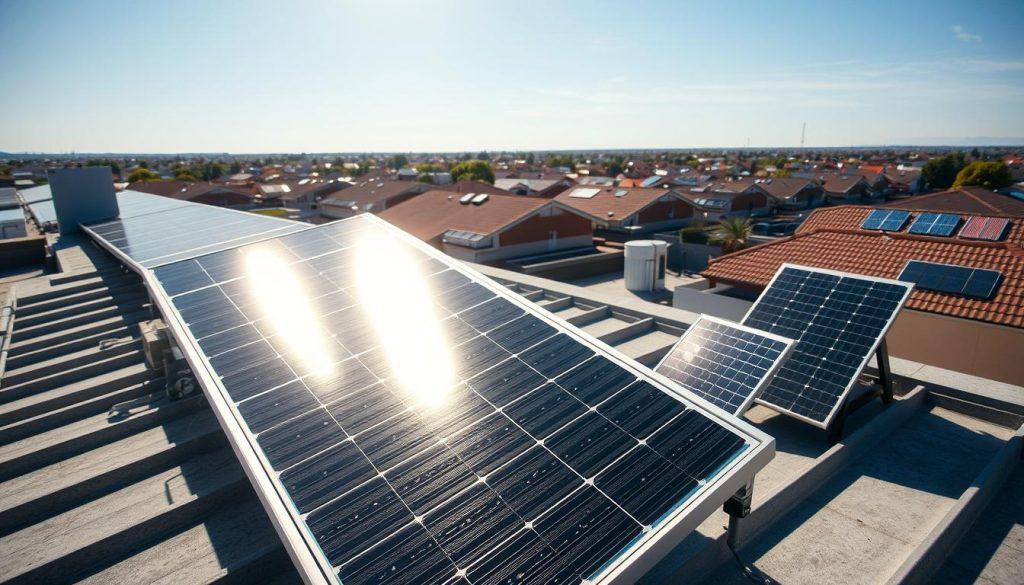
In short, homeowners looking into solar power, like rooftop systems, can save money and help the planet. This leads to a greener energy future.
Installation Costs and Procedures
Knowing the steps to install solar panels is key. It includes checking your site, picking the right gear, and linking it to the grid. These steps affect the cost, which varies by several factors.
How to Get Your Solar Panel System Installed
Getting a solar panel system set up is a detailed process. Here are the main steps:
- Site Assessment: A pro checks your property for the best spot for solar panels.
- Selecting Equipment: Based on the site check, the right panels and inverters are picked.
- Permits: Getting the right permits is key for legal setup.
- Installation: Skilled techs put in the system, making sure safety is top priority.
- Grid Connection: Last, the system is linked to the grid for energy use and selling extra.
Expected Installation Fees
Costs for solar setup vary a lot. They depend on location, labor, and system type. Here’s a look at typical costs:
| Type of Installation | Average Cost (INR) |
|---|---|
| Rooftop Installation | 30,000 – 70,000 |
| Ground Mount Installation | 50,000 – 1,00,000 |
| Hybrid System | 80,000 – 1,50,000 |
Figuring out the exact cost for your setup helps with budgeting. Look into options and talk to solar experts for a plan that fits your needs.
Financing Solar Energy Solutions
Investing in solar energy is exciting, but knowing the financial side is key. Many solar financing options are out there. This makes it easier for people and businesses to switch to green energy. We’ll look at how to get finance for solar projects, like loans, leases, and payment plans.
Different Financing Options Available
When thinking about solar energy, you have several financing choices:
- Solar Loans: These loans let you buy solar systems outright. After paying off the loan, you save on energy costs and might get tax breaks.
- Solar Leases: Here, you pay a fixed monthly fee for solar panels on your property. It means lower bills without owning the panels.
- Power Purchase Agreements (PPAs): This option lets you pay for the electricity from solar panels without a big upfront cost. It’s a good way to start using solar energy without a lot of money down.
Understanding Solar Loans and Leases
Each financing choice has its own benefits and things to think about:
| Financing Option | Ownership | Monthly Payment | Tax Benefits |
|---|---|---|---|
| Solar Loans | Homeowner | Variable | Eligible |
| Solar Leases | Leasing Company | Fixed | Not Eligible |
| PPAs | Leasing Company | Variable | Not Eligible |
Knowing the differences between these options helps you make a smart choice. Each one offers different payment plans to fit various budgets. This makes solar energy accessible to many.
Maintenance and Longevity of Solar Panels
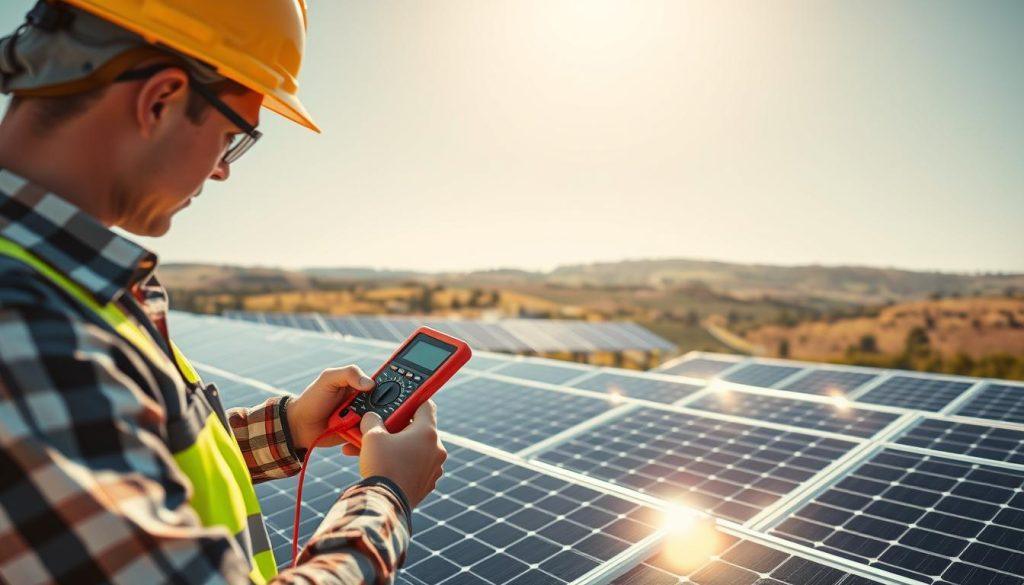
Keeping solar panels working well needs regular care. Simple steps can make them last longer. This part talks about how to keep solar panels in great shape and how long a 500-watt panel can last.
Regular Maintenance Tips
- Cleaning: Clean solar panels often to stop dirt and dust from building up. Use a soft brush or a sponge with mild soap and water.
- Inspection: Check for damage or wear regularly. Look for cracks or color changes that might mean a problem.
- Monitor Performance: Watch how much energy your panels make. If it drops, it might be time for a check-up.
- Professional Servicing: Get a pro to check your panels yearly. They can make sure everything is working right.
Expected Lifespan of a 500 Watt Solar Panel
Solar panels usually last 25 to 30 years. This depends on their quality, how they’re installed, and how well they’re cared for. A 500-watt panel might keep about 80% of its power after 25 years. With good care, they can last even longer, making your investment in green energy worth it.
The Future of Solar Energy in India
The solar energy scene in India is changing fast, opening up many chances for new ideas and growth. The future of solar in India depends on better solar tech and using green practices in energy. With the government’s support for renewable energy, everyone from businesses to homes will see big benefits.
Trends and Predictions in Solar Technology
New solar tech like bifacial panels and energy storage systems are very promising. They could make solar energy cheaper and more efficient. Advances in solar materials, like perovskite cells, might also lower energy costs.
Also, floating solar farms are changing how we use solar energy in India. They use land better and save water, too.
The Role of Renewable Energy in India’s Economy
Renewable energy is key to India’s growth, creating jobs and making the country energy-independent. It helps fight climate change and keeps energy prices stable. As solar energy investments grow, more people will get access to clean energy and see their local economies improve.
How to Calculate Your Potencial Savings
Knowing your energy needs is key to using solar energy. A detailed energy assessment shows how much power your home uses. This helps you figure out how much you can save with solar panels.
Understanding Your Energy Needs
Begin by looking at your monthly electricity bills. These bills show how much energy you use on average. Consider things like:
- Size of your home
- Number of occupants
- Electrical appliances and their usage
With this info, you can pick the right size solar panel for your home. This leads to better savings.
Conclusion
Investing in solar panels is more than a money move; it’s a big step towards a green future. It cuts down your energy costs, might get you subsidies, and offers tax breaks. This makes it a smart choice financially.
Switching to solar also makes your home better for the planet. It means cleaner air and less use of harmful fossil fuels. This change helps everyone, not just you.
Adding solar tech to your home lets you control your energy use. It also helps the planet. Over time, you’ll save a lot of money, making your home more valuable.
As more people in India choose solar, we move closer to a sustainable energy world. If you’re thinking about this big change, now is the time to look into it.
For more details and solar plans made just for you, visit our Contact page. Let’s create a brighter, greener future together.