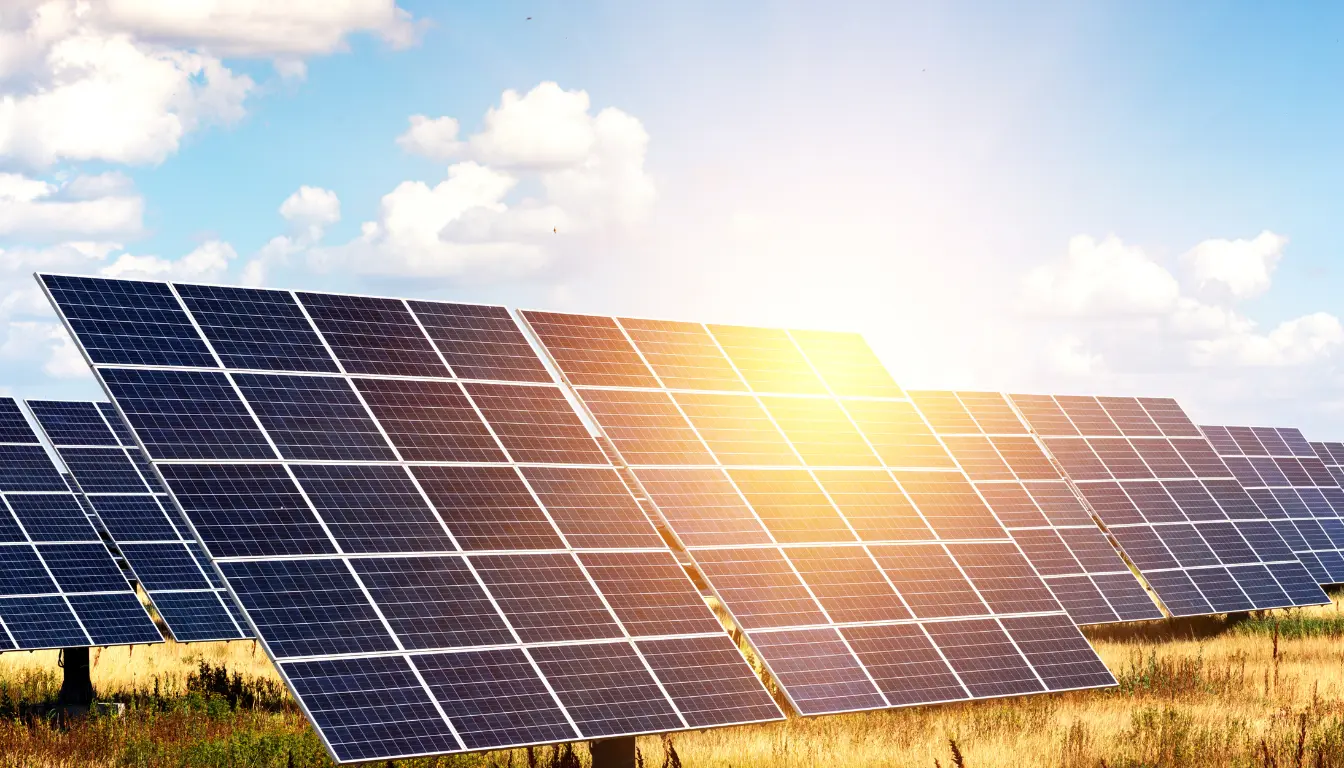

More Indians are turning to solar energy for good reasons. The country gets a lot of sunlight all year, making it perfect for solar panels. As solar panel prices drop, more people and businesses want to use them.
Government subsidies also help make the switch easier. This has led to more people choosing solar energy in India. Solar technology is reliable, too. It helps people save money on energy and provides a green energy source for the long term.
Key Takeaways
- India’s abundant sunlight supports widespread solar adoption.
- Declining costs of solar panels encourage investment in renewable energy.
- Government subsidies facilitate easier access to solar solutions.
- Reliable technology boosts confidence in solar energy as a long-term option.
- Switching to solar helps homeowners and businesses reduce energy costs.
The Rise of Solar Energy in India
Solar energy is growing fast in India. This growth is thanks to a push for renewable energy and the government’s support for green practices. India aims to reach 100 GW of solar power by 2022, changing the game.
Both cities and villages are seeing the light. They’re moving away from old energy sources. This shift is big for them.
Advanced solar tech is getting cheaper. New ways to pay for solar systems are popping up. This means more people and businesses can go solar, making the energy world greener.
Solar energy is also helping India meet its sustainable goals. It’s cutting down on carbon emissions. People and companies using solar power are helping the planet and saving money.
Understanding the Cost Benefits of Solar Energy
Learning about solar energy’s financial side can help many families make smart choices. The cost of starting up with solar might seem high at first. But, it’s key to look at the long-term savings. Homeowners can cut down on their utility bills a lot after installing solar panels.
With payback times between 4 to 7 years, the benefits are clear over time.
Initial Investment vs. Long-term Savings
The upfront cost of solar tech is a big worry for many. But, solar tech has gotten cheaper, making it more reachable. This change means homeowners can start enjoying the perks sooner.
Here’s a comparison to show how upfront costs can lead to savings:
| Year | Utility Bills Without Solar (INR) | Utility Bills With Solar (INR) | Savings (INR) |
|---|---|---|---|
| 1 | 60,000 | 30,000 | 30,000 |
| 2 | 60,000 | 30,000 | 30,000 |
| 3 | 60,000 | 30,000 | 30,000 |
| 4 | 60,000 | 30,000 | 30,000 |
| 5 | 60,000 | 30,000 | 30,000 |
Return on Investment for Solar Panel Systems
Looking at the ROI for solar panels shows big financial gains. Solar energy doesn’t just lower electricity bills. It also boosts your home’s value.
When homes have solar panels, they seem more attractive to buyers. This value increase, along with lower bills, makes the solar investment pay off quickly.
Subsidy Benefits for Indian Solar Adopters
The Indian government has started several programs to boost renewable energy, like solar. The PM KUSUM scheme helps farmers and rural homes get solar panels. It gives financial help, making solar tech easier to get.
Thanks to government support, people can save on electricity and even make money from extra energy.
Overview of the PM KUSUM Scheme
The PM KUSUM scheme gives farmers big incentives for solar panels. It helps pay for the start-up costs, making solar energy more reachable. This program helps reduce reliance on old power sources and boosts rural economies.
By focusing on solar, India meets its need for green energy and helps its farms.
How Subsidies Are Impacting Solar Adoption in India
Solar subsidies in India have changed how people see renewable energy. Many see lower energy bills. This makes solar tech more appealing.
As more people learn about it, they get excited about solar. The government’s support makes these efforts last longer.
Reliable Solar Panels: A Key Factor in Adoption
Reliability is key when people think about using solar energy. They look for panels that last long and work well. High efficiency, long warranties, and strong build are signs of reliable panels. These features help build trust and encourage people to choose renewable energy.
What Makes Solar Panels Reliable?
Many things make solar panels reliable. They must handle different weather without losing power. Brands that test their products well and use quality materials meet customer needs. New materials and designs also make solar systems last longer and work better.
Other important features include:
- High energy conversion efficiency
- Extended manufacturer warranties
- Robust framing and protective layers
Top Brands and Technologies in the Market
In the solar energy world, some brands are known for quality and reliability. IB Solar,Trina Solar, JinkoSolar, and Canadian Solar are leaders. They offer new technologies to improve how well and long their panels work.
Knowing what each brand offers helps people make better choices. Some key features are:
| Brand | Efficiency Rating | Warranty Period | Notable Technology |
|---|---|---|---|
| IB Solar | Up to 21.6% | 25 years | DCR & N-TOPCon Modules, High-Efficiency Mono PERC |
| Trina Solar | Up to 22.1% | 25 years | Vertex Technology |
| JinkoSolar | Up to 21.4% | 25 years | Best-in-Class Mono-PERC |
| Canadian Solar | Up to 21.3% | 25 years | Bi-facial Solar Cells |

solar panel of india: Catalyzing Change
The growth of solar panels in India is speeding up, changing how we get energy. More people, in cities and villages, are turning to solar power. They like rooftop solar panels for their homes.
This shows India’s big plans to use more solar energy. It’s all about meeting our own and our community’s green goals.
Current Trends in Solar Panel Usage
More states are seeing a big jump in solar panel use. Homeowners are moving away from old energy sources. This is changing the solar industry a lot.
Government help and higher energy costs are pushing people to go solar. This can save money and make homes energy-independent. It also makes the market better, encouraging new ideas and ways of doing things.
Success Stories from Indian Households
Indian homes are seeing big wins with solar power. Families in the countryside are paying less for electricity. In cities, buildings are using solar energy together.
These stories show the good side of solar energy. They also get others excited to try it. This is helping solar panels become more popular everywhere in India.
Environmental Impact of Solar Energy
Solar energy is a big help in reducing carbon footprints. It uses the sun’s power, a clean alternative to fossil fuels. Solar panels make electricity without polluting, helping fight climate change.
More people using solar energy means cleaner air and a healthier planet. It’s a step towards a greener future.
Reducing Carbon Footprint
Switching to solar energy cuts down on carbon emissions. Every kilowatt-hour of solar power means less pollution. Homes and businesses using solar save money and help the planet.
They play a big role in making our future more sustainable. It’s a win-win for everyone.
Solar Energy and Sustainable Development Goals
Solar energy fits right into the United Nations’ Sustainable Development Goals. It helps solve big problems like energy poverty and access to clean energy. India’s growing solar power is a big step towards these goals.
It’s helping make cities better and reducing our need for dirty energy. Solar energy is key in the fight against climate change.
Government Initiatives Promoting Solar Energy
The Indian government is focusing on solar energy to meet its renewable energy goals. The National Solar Mission is a key policy that supports solar growth across the country. It works with state solar initiatives to meet local needs and make solar power more accessible.
Federal and State Policies Supporting Solar Adoption
India’s federal government supports solar energy with many policies. The National Solar Mission, started in 2010, aims to increase solar power generation. States also have their own solar plans, fitting their energy needs and goals.
These policies offer financial help and make it easier to start solar projects. They help India move towards using more renewable energy.
Public Awareness Campaigns and Their Impact
Public awareness is key for solar energy adoption. The Indian government has run campaigns to teach people about solar energy’s benefits. These campaigns show how solar energy is good for the environment and saves money.
These efforts have sparked more interest in solar installations. Homeowners and businesses are now looking into solar technologies. As more people learn about solar energy, it can lead to big changes in how we use energy.
Challenges in Solar Adoption in India
The path to solar energy in India is filled with obstacles. It’s important to know these challenges to help solar energy grow. Issues like infrastructure and technology barriers make it hard for people to adopt solar power.
Infrastructure and Technological Barriers
One big infrastructure challenge solar energy faces is the lack of advanced grid systems. These systems are key for sharing solar power. Without them, energy distribution is not efficient, limiting the benefits of solar installations.
There’s also a lack of knowledge about solar systems. This makes people hesitant to install them. Knowing how to install and maintain solar systems is essential for adoption.
Public Perception and Misinformation
How people view solar energy is also a big issue. Misinformation about renewable energy issues can make people unsure. They might think solar energy is only for certain places or people.
Education can help clear up these myths. It’s important to teach people about the real benefits and costs of solar technology.

| Challenge | Description | Impact on Adoption |
|---|---|---|
| Infrastructure Limitations | Poorly developed grid systems | Reduces efficiency and accessibility |
| Technological Barriers | Knowledge gaps in installation and maintenance | Discourages people from adopting |
| Misinformation | Misunderstandings about costs and benefits | Makes people doubt and hesitate |
About Us: Sharing the IB Solar Trust Story
At IB Solar Trust, our mission is to make lives better with reliable, green energy. We see the need for solar tech in India, where it can make a big difference. Our goal is to help create a sustainable future, tackling both environmental issues and making energy more accessible.
Our Commitment to Solar Energy Solutions
IB Solar Trust is known for its custom solar solutions for Indian families. We blend new tech with tested methods to help every home use clean energy. Our goal is to make solar power affordable and sustainable for all.
Building Trust within the Indian Community
Trust is key for IB Solar Trust. We work with local groups to teach about solar energy and build trust. Our programs aim to clear up doubts and show the benefits of solar. This way, we help India move towards a greener future together.
Solutions via Solar for Home
IB Solar Trust offers solar solutions for homes that fit your needs and budget. We aim to make solar installations affordable and boost energy efficiency. We create solar energy plans that match your home’s unique energy needs.
Customized Solar Solutions for Every Budget
We design solar solutions for every budget. Our team assesses your energy needs to find the perfect fit. This way, you get a solar system that matches your energy use and budget.
We use top-quality materials and the latest techniques. This ensures your solar system is both affordable and efficient.
The Role of EPC in Solar Installations
The EPC process is key to successful solar installations. Our EPC services make solar energy systems affordable and reliable. We handle every step of the installation, so you can enjoy your solar system without stress.
Conclusion
The push for solar energy in India is growing fast. Homes and businesses see the real benefits of solar power. They save money, get government help, and enjoy the latest solar tech.
This change shows India is moving towards clean energy. It’s a big step for a country growing fast. It shows the need for green energy in a big way.
Both the government and private companies are backing solar energy. This makes India’s energy future look bright. It means more green energy and lower costs for everyone.
This move helps the environment and makes the economy stronger. It shows India’s dedication to a green future. Solar energy is key to a better energy future for India.
Solar energy is more than a trend in India. It’s changing the country’s energy scene for the better. It’s affordable and good for the planet, making it vital for India’s future.
FAQ
What are the primary benefits of solar adoption in India?
Solar adoption in India offers big savings on electricity bills. It also comes with government subsidies, making it cheaper. Plus, it’s a reliable energy source for a greener future.
How does the PM KUSUM Scheme support solar energy adoption?
The PM KUSUM Scheme gives financial help to farmers for solar panels. It cuts their electricity costs. They can also sell extra energy, making solar tech more reachable.
What factors make solar panels reliable?
Reliable solar panels have high efficiency, long warranties, and strong build. Brands that test their products well offer dependable energy for all weather.
How much can I save by switching to solar energy?
Switching to solar can cut utility bills a lot. You might get your money back in 4 to 7 years. Then, you keep saving money on electricity.
What are the best brands for solar panels in India?
Top solar panel brands in India are Tata Power Solar, Vikram Solar, and Waaree Energies. They’re known for quality and reliable solutions for Indian homes.
Are there any challenges to solar adoption in India?
Yes, challenges like poor infrastructure, tech barriers, and public doubts slow solar adoption. Overcoming these is key to more solar energy use.
What government initiatives are in place to promote solar energy?
The Indian government has launched the National Solar Mission to grow solar energy. It also offers subsidies and policies to make solar tech easier to get.
How can I customize my solar solution to fit my budget?
Solar providers like IB Solar Trust offer custom installations for your budget. They look at your energy needs and savings to create a solar plan just for you.