
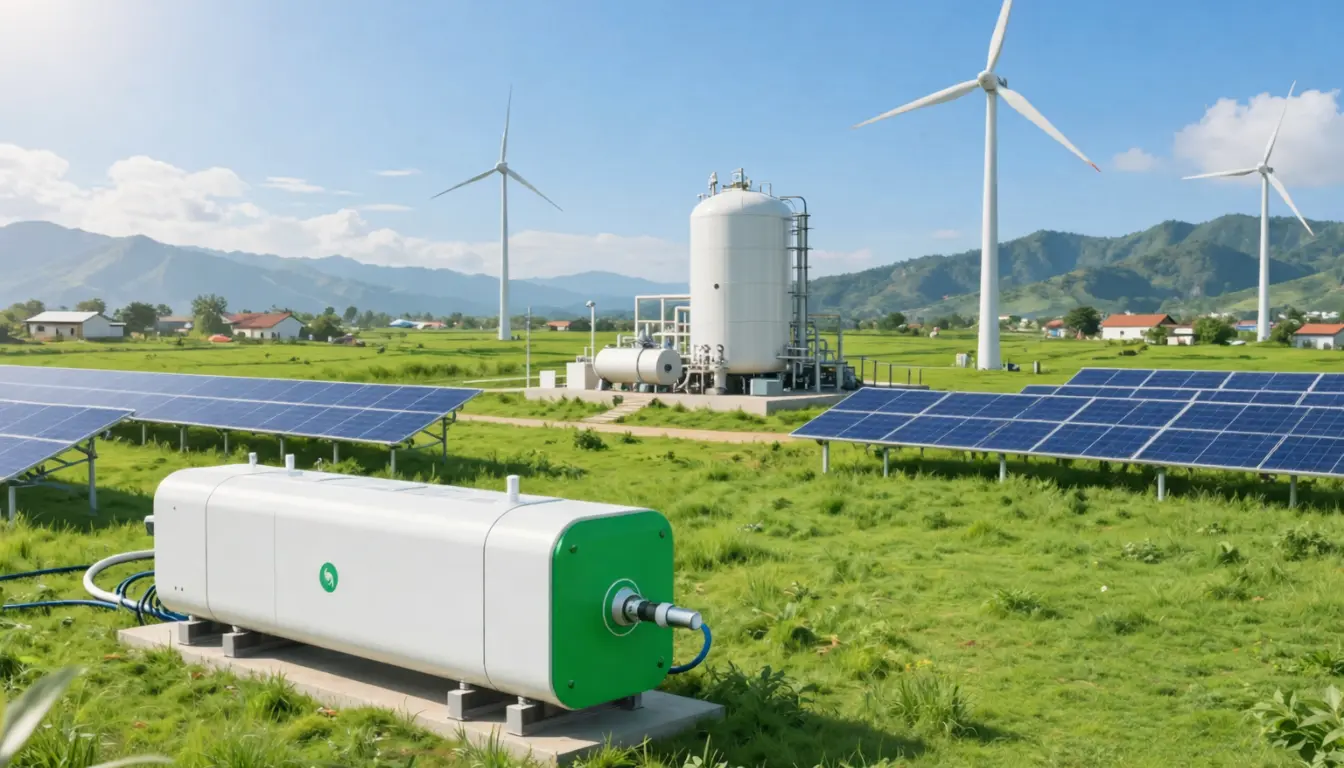
The world is moving towards cleaner energy, and green hydrogen is key in India’s energy transition. It’s made from renewable sources, cutting down on fossil fuel use and lowering carbon emissions. National efforts back green hydrogen, helping India meet global climate targets and boost energy self-sufficiency.
By adopting this cutting-edge tech, India is set to pave the way for a greener, more sustainable future.
Key Takeaways
- Green hydrogen is vital for cutting carbon emissions in India.
- It’s made from renewable energy, making it good for the planet.
- This tech fits with India’s goals for energy freedom.
- Green hydrogen helps meet global climate goals.
- It opens doors for sustainable energy growth in India.
Understanding Green Hydrogen Basics
Green hydrogen is a big step forward in clean energy. It’s made from renewable sources like solar and wind power. This process, called electrolysis, breaks down water into hydrogen and oxygen.
This clean fuel can be stored and moved easily. It’s a game-changer for our energy future.
What is Green Hydrogen?
Green hydrogen is special because it’s made without any carbon emissions. Unlike other hydrogen types, it doesn’t use fossil fuels. Instead, it comes from renewable sources.
This makes it a key player in fighting climate change. It’s also very versatile, fitting into many different uses. This could lead to a cleaner, greener world.
Key Differences Between Green Hydrogen and Other Types
Green hydrogen is different from other types like grey and blue hydrogen. Grey hydrogen is made from natural gas and releases a lot of greenhouse gases. Blue hydrogen uses fossil fuels but captures carbon emissions.
Green hydrogen, on the other hand, doesn’t emit any carbon. It’s a true example of renewable hydrogen and a step towards a sustainable future.
The Electrolysis Process: How Green Hydrogen is Made
The electrolysis process is key in making green hydrogen. It splits water into hydrogen and oxygen using electricity from renewable sources. This shows how efficient and sustainable it is for energy.
Understanding Electrolysis
Electrolysis uses electricity to split water into gases. It has an electrolyzer with two electrodes in a solution. Electricity makes negative ions go to the anode, releasing oxygen, and positive ions to the cathode, making hydrogen.
This method works well with solar and wind energy. It’s a green way to produce hydrogen.
Advantages of Electrolysis for Green Hydrogen Production
Electrolysis is scalable, fitting all energy needs. It’s also very efficient, cutting down on emissions when using renewables. Plus, it’s good for the environment, helping us move to cleaner energy.
Using electrolysis, industries can help grow a sustainable hydrogen economy.
Renewable Linkage: Powering Green Hydrogen
Green hydrogen production heavily relies on renewable energy sources. This creates a strong link between clean energy and hydrogen technology. Using solar and wind energy, India can use its natural resources to power this clean energy shift. This connection boosts hydrogen production and makes the energy sector more sustainable.
Integration with Renewable Energy Sources
Using renewable energy for green hydrogen production is key for a good energy system. Solar and wind energy help make hydrogen without carbon emissions, making the environment cleaner. These energy sources, combined with advanced electrolysis, make hydrogen a more efficient and viable fuel.
Solar and Wind Energy Contribution
Solar and wind energy are vital for green hydrogen production. India’s varied climate and landscape offer great chances for big solar and wind projects. These systems not only produce energy but also help keep the grid stable by reducing fluctuations. Solutions for storing energy make sure extra energy from solar and wind is used for hydrogen production when needed.
| Renewable Energy Source | Key Advantages | Contribution to Green Hydrogen |
|---|---|---|
| Solar Energy | Abundant and sustainable | Directly powers electrolysis during the day |
| Wind Energy | Consistent and clean | Generates energy for hydrogen production, even at night |
By using both solar and wind energy, India can boost its green hydrogen efforts. This move helps create a more sustainable and eco-friendly energy scene. It’s a big step towards energy independence and meeting global sustainability targets.
Industrial Applications of Green Hydrogen
Green hydrogen is leading the way in innovation, changing many sectors. It’s making traditional ways of doing things more sustainable. The chemical industry, steel production, and transportation are big winners. They show how green hydrogen can be versatile and powerful.
Use in the Chemical Industry
The chemical industry is a big fan of green hydrogen. It’s a clean choice for making important chemicals like ammonia and methanol. This change helps cut down on carbon emissions and meets global green goals.
Big names in the chemical world are putting money into green hydrogen tech. They’re making their production methods greener for the future.
Role in Steel Production
Green hydrogen is key in making steel cleaner. It helps reduce the need for carbon-heavy methods. Steel makers are looking into new ways to use green hydrogen.
This move helps them meet goals for cutting carbon emissions. It’s a step towards making steel production more eco-friendly.
Potential in Transportation Sector
Green hydrogen is a game-changer for transportation. It powers fuel cell vehicles, making them a better choice than fossil fuels. Governments and companies are pushing for cleaner cars.
As green hydrogen tech gets more popular, we’ll see a big change in how we travel. It’s a step towards a cleaner, greener future.
Government Initiatives Supporting Green Hydrogen in India
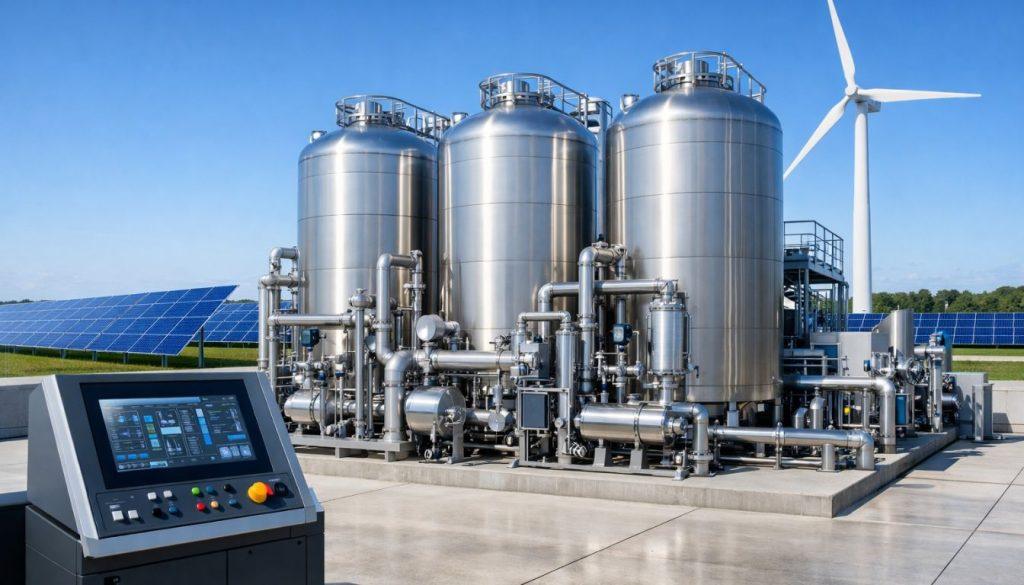
The Indian government is working hard to grow the green hydrogen sector. They have set up many plans to make India a top player in clean energy. The National Hydrogen Mission is a key part of this effort. It aims to boost India’s green hydrogen production and use.
National Hydrogen Mission Overview
Started in 2021, the National Hydrogen Mission wants to increase green hydrogen use in different areas. It focuses on making technology in India to produce hydrogen well and safely. The mission also funds research and builds infrastructure, helping both public and private sectors work together.
Policies for Promoting Renewable Hydrogen Production
The Indian government has brought in many policies to help the National Hydrogen Mission. These policies aim to boost investment in renewable energy and improve hydrogen production tech. Key points include:
- Financial help for companies using green hydrogen tech.
- Support for pilot projects to test new tech.
- Rules that make producing hydrogen easier.
These efforts help grow the hydrogen economy and make it easier for innovation. This is helping India move towards sustainable energy.
| Initiative | Description | Impact |
|---|---|---|
| National Hydrogen Mission | A plan to boost green hydrogen production and use. | Makes India a key player in hydrogen tech. |
| Funding Programs | Money for R&D in renewable hydrogen tech. | Spurs innovation and brings in investment in hydrogen. |
| Policy Framework | Rules to help make hydrogen production easier. | Brings in private sector investment and participation. |
Benefits of Green Hydrogen for India’s Energy Transition
Green hydrogen is a game-changer for India’s energy future. It brings many benefits, like cutting carbon emissions, boosting energy security, and gaining energy independence.
Reducing Carbon Emissions
Green hydrogen is key to reducing carbon emissions in many areas. Unlike fossil fuels, which harm the environment, green hydrogen is clean. It’s made from renewable sources and doesn’t emit greenhouse gases.
This change helps India meet its environmental goals. It also pushes industries to use cleaner energy. This way, we can keep our planet healthy for the next generations.
Enhancing Energy Security and Independence
Green hydrogen is vital for India’s energy security and freedom. By using green hydrogen, India can reduce its need for imported fossil fuels. This makes the energy supply more stable.
It also helps India avoid the ups and downs of global energy prices. By investing in green hydrogen, India can create a future where energy is clean and reliable. This ensures India can meet its energy needs without harming the environment.
Challenges in Implementing Green Hydrogen Solutions
Switching to green hydrogen technologies faces many challenges. Making them cost-effective and economically viable is key. High production and storage costs are major hurdles for investors and businesses.
Understanding these challenges is important for a sustainable future.
Cost-Effectiveness and Economic Viability
Green hydrogen’s cost-effectiveness is critical for its success. Producing hydrogen from renewable sources is more expensive than traditional fuels. To achieve economic viability, we need technological advancements and favorable policies.
Innovative solutions to lower costs are essential for market acceptance.
Infrastructure Development Needs
Strong infrastructure is vital for green hydrogen’s production, distribution, and use. Current systems need upgrades for green hydrogen integration. This requires significant investment from both public and private sectors.
Building a hydrogen network will help industries grow. It’s a step towards a cleaner energy future.
IB Solar: Pioneering the Hydrogen Economy
While IB Solar primarily focuses on solar energy solutions and does not manufacture green hydrogen, the company recognizes the growing importance of hydrogen in the renewable energy ecosystem.
Long-Term Vision and Strategy
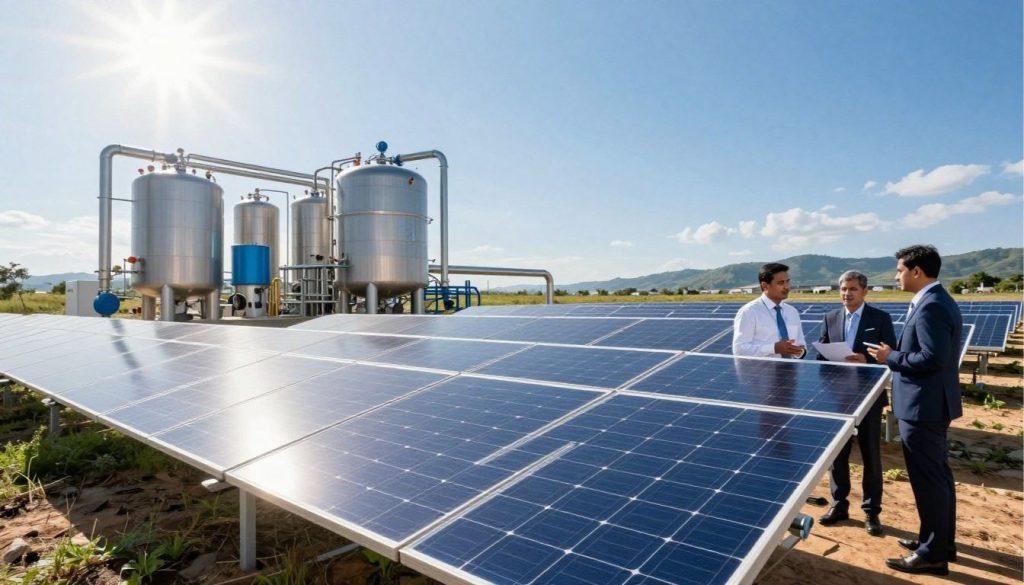
IB Solar’s vision supports the integration of renewable technologies that contribute to India’s sustainable energy future. By expanding solar energy infrastructure, the company indirectly strengthens the renewable power base that could support green hydrogen production.
Partnerships and Collaborations for Sustainable Growth
IB Solar encourages collaboration between renewable energy providers, research institutions, and technology innovators to accelerate India’s transition toward a clean energy economy.
Global Trends in Green Hydrogen Development
The world is seeing big changes in green hydrogen development. Countries like Germany, Japan, and Australia are leading the way. They are using new practices and policies to grow the industry.
These countries are getting more investment and support. They are setting examples for others to follow. Their tech advancements are helping other places start their green journey.
Comparative Analysis with Other Countries
Different countries have their own ways of working on green hydrogen. Here’s a look at what some are doing:
| Country | Key Initiatives | Investment (Billion USD) | Production Capacity (GW) |
|---|---|---|---|
| Germany | National Hydrogen Strategy | 9 | 2 |
| Japan | Hydrogen Roadmap | 19 | 3 |
| Australia | Hydrogen Industry Strategy | 23 | 5 |
Emerging Technologies and Innovations
New tech is changing green hydrogen development. Improvements in electrolysis, storage, and fuel cells are making hydrogen production better. For example:
- Electrolyzer tech has gotten more efficient, making hydrogen production faster.
- New ways to store hydrogen are making it safer and easier to transport.
- Advanced fuel cells are opening up new uses in cars and power plants.
These tech improvements are making things more efficient and cheaper. Working together to share knowledge is key to growing the hydrogen economy. It helps us see what’s possible in green hydrogen.
Conclusion
India is moving towards a sustainable future, and green hydrogen is key. This new energy source can change many industries. It helps reduce carbon emissions and boosts energy security.
Green hydrogen can make India’s energy system cleaner and stronger. The government is working hard and more money is being invested. This shows green hydrogen’s power to fight climate change.
Working together and being creative are important for green hydrogen’s success. It will help India become energy independent and grow its economy.
The future of green hydrogen in India looks very promising. By focusing on this clean energy, India can lead the way to a greener future. This sets a good example for other countries.