In India, more people and businesses want solar energy because it’s affordable and green. A 500-watt solar panel can make 1.5 to 2 units of electricity on a sunny day. This means it can produce about 450 to 600 kWh of energy each year.
This makes solar panels a great choice for saving money and getting government help. We’ll look at what affects energy output and how a 500-watt panel can save you money.
Key Takeaways
- A 500-watt solar panel produces approximately 1.5 to 2 units of electricity daily.
- Annual energy generation from these panels can range from 450 to 600 kWh.
- Solar energy production in India is affected by climate and installation conditions.
- Government subsidies enhance the appeal of solar panel investment.
- Cost-saving on electricity bills is a big plus of using solar panels.
Understanding Solar Panel Ratings
Understanding solar panel ratings starts with knowing what wattage means. The wattage rating of a solar panel indicates its maximum power output under ideal conditions. Higher wattage panels can generate more electricity during peak sunlight hours, improving overall energy efficiency.
For example, a 500-watt panel produces significantly more electricity than a 250-watt panel under the same conditions. This makes higher wattage panels suitable for households with greater energy needs.
Solar panel ratings are influenced by factors such as the type of solar cells used, their efficiency, and the panel’s overall design. Knowing these ratings helps users choose panels that align with their energy requirements and long-term performance goals.
| Wattage Rating | Estimated Daily Output (kWh) | Typical Usage |
|---|---|---|
| 250 Watts | 1-1.5 kWh | Small household needs |
| 500 Watts | 2-2.5 kWh | Medium household needs |
| 1,000 Watts | 4-5 kWh | Large household or commercial needs |
What Affects Energy Production of Solar Panels?
Many things can change how much energy solar panels make. Knowing these can help homeowners get the most from their solar systems. Where you live is key. Places with lots of sun make more energy than cloudy or rainy areas.
Shade from trees or buildings can cut down on energy. Even a little shade can hurt how much energy panels make. How the panels face the sun matters a lot. In India, south-facing panels get the most sun.
The angle of the panels also matters. The best angle changes with where you are and the time of year. Temperature is important too. Very hot weather can make panels work less well.
Dirt on panels can block sunlight, lowering energy production. Keeping panels clean helps them work better. Seasonal changes also affect how much energy panels make. Summer days are longer and sunnier, while winter days are shorter and sunnier.
| Factor | Description |
|---|---|
| Geographical Location | Impacts sunlight availability and energy yield. |
| Shading | Obstructions can significantly reduce output. |
| Orientation | Panel direction affects sunlight capture efficiency. |
| Temperature | High temps can negatively influence panel performance. |
| Dirt Accumulation | Neglecting maintenance can diminish energy production. |
| Seasonal Changes | Sunlight variation impacts output during different seasons. |
Daily Output of a 500 Watt Solar Panel in India
The daily output of solar panels changes a lot due to location and season. A 500 watt panel can make 2 to 3.5 kWh of energy each day. This change depends on how much sunlight different parts of India get.
The amount of sunlight hours affects solar energy generation. Places like Rajasthan and Gujarat get a lot of sun. They can make almost 3.5 kWh with a 500 watt panel. But, areas with less sun might only make about 2 kWh. It’s key to know your local climate before buying solar panels.
Knowing how much energy a panel makes daily helps people choose the right size. This knowledge helps them get the most out of their solar investment.
| Region | Average Daily Output (kWh) | Sunlight Hours |
|---|---|---|
| Rajasthan | 3.5 | 7-8 |
| Gujarat | 3.2 | 6-7 |
| Maharashtra | 3.0 | 5-6 |
| Tamil Nadu | 2.8 | 5-6 |
| Himachal Pradesh | 2.0 | 4-5 |
Factors Influencing Solar Output in India
The solar output in India changes a lot due to several important factors. Knowing these helps people get the most from their solar systems. Key factors include the local weather, government policies, and whether you live in a city or the countryside.
The weather is a big deal for solar panels. Places like Rajasthan and Gujarat get a lot of sun, making them great for solar power. But, areas with lots of rain or clouds, like the coast, get less sun. Knowing how different places get sunlight helps pick the best spot for solar panels.
Government policies also play a big role. States with good solar plans and help make solar energy more appealing. These plans make solar setups more affordable and help more people use solar power.
City living can make it hard to get sunlight because of tall buildings and less space. But, the countryside often has more room for solar panels. Each place has its own challenges and benefits for solar power. Understanding these helps people make smart choices.
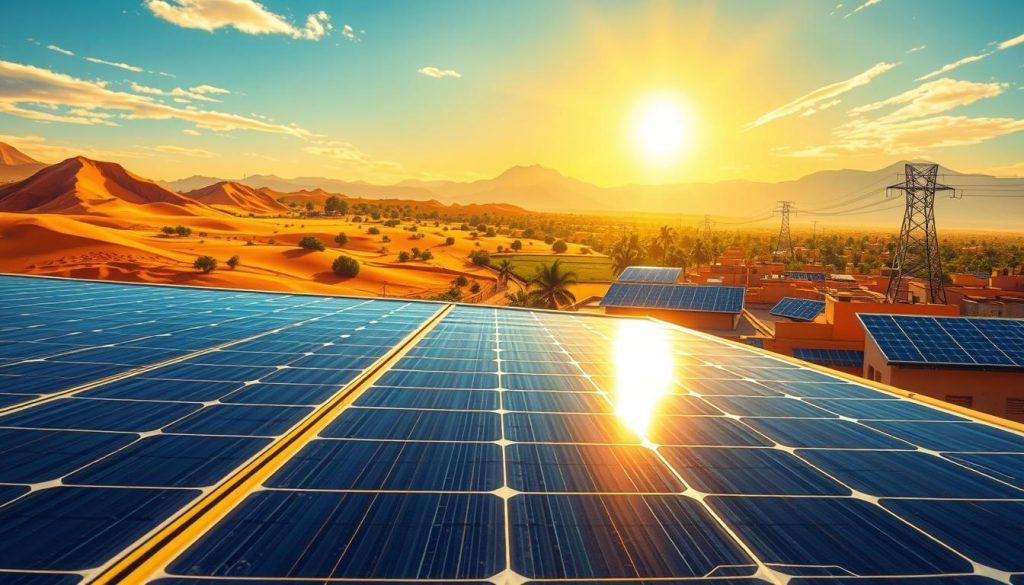
300W Panel Generation in India
The 300W panel generation in India is a smart choice for using solar energy. A 300W solar panel can make about 1 to 1.5 kWh of electricity each day. This is good for small energy needs and can save a lot on electricity bills.
Daily kWh Output of a 300W Panel
The amount of electricity a 300W panel makes each day can change. It depends on where you are, how much sunlight you get, and the weather. Usually, people can count on about 1 to 1.5 kWh daily. This is enough for homes or businesses that want to use less grid electricity.
Comparing 300W and 500W Panels
Looking at 300W and 500W panels can help you decide which is best for you. Here’s a quick comparison of their costs, efficiency, and how much energy they make:
| Feature | 300W Panel | 500W Panel |
|---|---|---|
| Average Daily Output (kWh) | 1 – 1.5 | 2.5 – 3.5 |
| Cost | Lower Initial Investment | Higher Initial Investment |
| Space Needed | Less Space Required | More Space Required |
| Efficiency | Good for Smaller Needs | Better for Larger Needs |
This comparison shows important things to think about when choosing a panel. The 300W panel is a great choice for those who want to save money. The 500W panel is better for people who need more energy.
Solar Panel 500 Watt Price in India
The solar panel 500 watt price in india changes a lot. It depends on who made it, how good it is, and what extra features it has. Prices usually go from INR 25,000 to INR 35,000 for one panel. This shows the variety in brands and their warranties.
Installation costs also play a big part in the total solar panel investment. These costs can be between INR 5,000 and INR 10,000. It all depends on how complicated the setup is and the local labor prices.
Many people can get help with financing from energy companies. This makes paying for solar energy easier. Also, government incentives can lower the initial cost a lot. This helps more people choose solar technology.
Thinking about solar panels means looking at the return on investment (ROI). Usually, people can get their money back in four to six years. This is because of savings on electricity bills. It also depends on how much energy you use and local prices. Keeping an eye on solar panel prices helps in making the right choice.
The Role of Location in Energy Production
The efficiency of solar panels greatly depends on where they are located. The amount of energy solar panels produce varies by location. In India, different states have different climates, affecting solar energy performance.
Factors like sunlight hours, humidity, and temperature can change how well solar panels work. This leads to different energy outputs in different places.
Impact of Climate on Solar Panel Efficiency
Climate affects solar panel efficiency differently in different places. States like Rajasthan and Gujarat get a lot of sunlight, making them great for solar energy. But, places with lots of clouds or high humidity might not do as well.
Knowing how climate impacts solar energy helps people make better choices about solar investments. It’s important to understand these regional differences.
Looking at solar production by location shows big differences. For instance, a sunny area might produce a lot of energy, but a coastal area with high humidity might not. This highlights the need to customize solar solutions for each location’s climate.
Understanding Electricity Savings with Solar
Homeowners thinking about solar energy need to know the financial side. Solar can cut down your monthly bills and long-term costs. By getting solar panels, you use less traditional energy and save money over time. Knowing how much you can save helps see the benefits of solar energy.
How to Calculate Your Savings
To figure out your solar savings, start with your current electricity use and costs. Here’s a simple guide:
- Find out how much you pay for electricity each month.
- Guess how much electricity your solar panels will make. This depends on the panel size and local sunlight.
- Figure out your solar savings by multiplying your monthly production by your local electricity rate.
- Then, subtract the production value from your monthly bill to find your savings.
For instance, if your bill is $100 and your panels make $70 worth of electricity monthly, you save $30. As electricity prices go up, your savings will too, showing solar’s lasting benefits.
Overview of IB Solar’s Performer Series
The IB Solar Performer Series is a top choice in solar panels India. It uses the latest technology. These panels are known for their high efficiency, strong build, and long warranties.
These panels work well even when it’s not sunny. They are built to last, handling India’s tough weather. This means you won’t need to replace them often.
IB Solar offers a great warranty. This gives buyers confidence in their purchase. It shows the company’s dedication to quality and customer happiness.
| Feature | Details |
|---|---|
| Efficiency Rate | Up to 22% efficiency |
| Warranty Period | 25 years performance warranty |
| Build Quality | High-grade materials resistant to degradation |
| Performance in Low Light | Optimized for better output during cloudy days |
The IB Solar Performer Series is a leader in solar panels India. It’s perfect for those wanting to go green. The focus on innovation and quality makes it a top pick for sustainable energy.
Benefits of Choosing a 500 Watt Solar Panel
Choosing a 500 watt solar panel is a smart move for homeowners. It gives you a reliable source of solar energy. This means you can produce enough power for your home, making you less dependent on the grid.
These panels offer great returns on investment (ROI) quickly. The money you save on energy can pay for the panels in no time. Plus, you’ll enjoy lower electricity bills, which is a big plus.
Going solar also helps the planet. Using 500 watt panels cuts down on carbon emissions. This supports global efforts to be more sustainable and leaves a cleaner world for future generations.
500 watt panels are also very efficient. They meet a wide range of energy needs in homes. This makes them a favorite among those looking to use solar energy effectively.
| Advantages | Details |
|---|---|
| Energy Independence | Reduces reliance on grid electricity, promoting self-sufficiency. |
| Return on Investment | Quick payback period due to energy savings and possible incentives. |
| Environmental Impact | Lower carbon emissions contribute to a healthier planet. |
| Versatility | Can be easily integrated into various home energy systems. |
Conclusion
Understanding how solar panels work is key to saving money and helping the planet. Whether you’re looking at a 500 Watt solar panel or something smaller, it’s important to know how location, climate, and panel quality affect your energy output.
Choosing solar power in India means a cleaner environment and lower electricity costs over time. The benefits of solar energy in India are many, making it vital to pick the right solar panel system.
If you want to learn more about solar options and how they can meet your needs, contact IB Solar. Let’s work together towards a greener future and enjoy the financial benefits of solar energy!