In recent years, the solar panel of India has become very important. This is because the country needs more energy and wants to use sustainable solutions. This solar energy guide will help you understand solar power in India. It will cover different solar types India and their efficiency and cost.
By choosing solar energy, you help make the future greener. This choice supports sustainable living.
Key Takeaways
- Understanding the significance of solar energy in India’s energy landscape.
- Exploring different types of solar panels available in the Indian market.
- Learning about factors affecting solar panel efficiency.
- Evaluating the costs associated with various solar panel types.
- Making informed decisions for residential and commercial solar solutions.
- Understanding installation and maintenance requirements for solar panels.
Understanding Solar Energy in India
The solar energy landscape in India has transformed rapidly. With over 40 GW of installed solar capacity as of 2023, India is among the world’s leading solar producers. This growth reflects the rising environmental awareness, increasing electricity needs, and strong public and private participation.
The Rise of Solar Energy Adoption
The shift toward solar energy in India is driven by several factors:
- The long-term cost-effectiveness of solar installations
- Growing awareness of climate change and environmental sustainability
- Rapid advancements in solar technology
- Availability of local manufacturers like IB Solar, enabling easier domestic procurement and support
Government Initiatives to Promote Solar Power
Government policies have played a major role in accelerating solar adoption. Through the National Solar Mission, India aims for 300 GW of solar capacity by 2030.
Key initiatives include:
- Subsidies for rooftop solar under PM Surya Ghar: Muft Bijli Yojana
- Tax incentives for solar energy projects
- Support for farmers through PM-KUSUM Scheme
- Financial support for residential and institutional installations
Manufacturers such as IB Solar also guide customers through subsidy documentation, installation norms, and compliance, making adoption smoother.
Solar Panel of India: Overview and Importance
Solar energy is central to building a sustainable energy future for India. It reduces dependency on fossil fuels and helps mitigate environmental degradation.
Environmental Benefits of Solar Energy
Solar panels offer several important environmental advantages:
- Reduced use of non-renewable resources
- Lower greenhouse gas emissions
- Zero air pollution during electricity generation
- Effective land use when combined with agriculture (agri-solar)
IB Solar, as a domestic manufacturer, supports this transition by producing panels designed for Indian climates and helping consumers implement clean-energy systems responsibly.
Different Types of Solar Panels Available in India
India’s solar market offers multiple solar module technologies, each suited for different climates and usage needs.
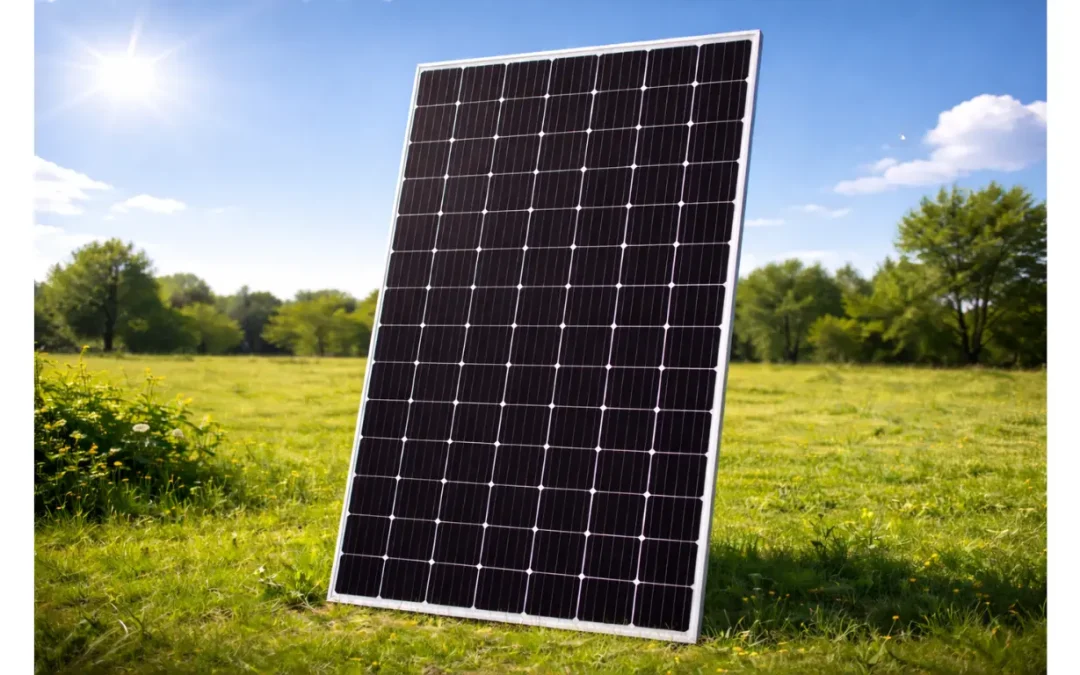
Monocrystalline Solar Panels
- Known for high efficiency and long operational life
- Made from a single silicon crystal
- Best suited for limited roof space
- Efficiency often ranges between 18%–22%
IB Solar manufactures monocrystalline panels engineered to perform well in high-temperature conditions common in India.
Polycrystalline Solar Panels
- More affordable compared to monocrystalline
- Made from multiple silicon fragments
- Efficiency typically around 15%–17%
- Reliable and widely used for residential purposes
IB Solar’s offer durability and value, making them suitable for budget-friendly rooftop systems.
Thin-Film Solar Panels
- Lightweight and flexible
- Lower efficiency but useful for special installations
- Perform better in diffused light
- Suitable for industrial roofs with load restrictions
IB Solar also supplies thin-film options for specialized use cases where weight and flexibility matter more than peak efficiency.
Evaluating Solar Panel Efficiency in India
It’s key to know about solar panel efficiency if you’re thinking about solar power. Efficiency is how much energy a panel makes compared to the sunlight it gets. Panels that are more efficient make more electricity from the same sunlight.
Many things can change how well a panel works. These things can either help or hurt how much energy it makes. This is important to think about when you’re choosing a panel.
What is Solar Panel Efficiency?
In India, solar panel efficiency changes based on the technology and the weather. It shows how well panels turn sunlight into electricity. Panels can be up to 22% efficient, depending on the type and where they’re installed.
Choosing a panel with high efficiency helps you reach your energy goals faster. It also means you need less space for the panels.
Factors Affecting Solar Panel Efficiency
Several factors influence real-world performance:
| Factor | Impact |
|---|---|
| Temperature | High temperatures reduce efficiency by ~0.5% per °C above 25°C |
| Shading | Even partial shading can reduce power output significantly |
| Panel Orientation | South-facing orientation with a suitable tilt maximizes sunlight |
| Cleaning | Dust and debris reduce sunlight absorption; regular cleaning is essential |
| Technology | Newer technologies (like half-cut cells, bifacial modules) improve performance |
Manufacturers like IB Solar design panels with PID resistance, sturdy framing, and advanced cell technology to ensure stable performance across Indian weather conditions.
Solar Module Cost: What Should You Expect?
The cost of solar modules is a big deal for those wanting to go green. It depends on the type of panel and installation costs. Knowing about solar panel prices in India helps you make smart choices.
Factors Influencing Solar Panel Prices
Key cost components include:
- Material quality and cell technology
- Manufacturing standards (automated production improves reliability)
- Brand reputation and warranty coverage
- Installation type, rooftops vs. ground-mount
- Inverter and wiring quality
Cost Comparison of Different Solar Panel Types
| Solar Panel Type | Avg. Price/Watt (INR) | Efficiency | Durability |
|---|---|---|---|
| Monocrystalline | 40–60 | 18%–22% | 25+ years |
| Polycrystalline | 30–50 | 15%–17% | 20+ years |
| Thin-Film | 20–30 | 10%–13% | 15–20 years |
Choosing panels from trusted domestic manufacturers like IB Solar ensures access to after-sales support, installation assistance, and reliable warranty service.
Choosing the Right Solar Panel for Your Needs
Selecting the right solar panel depends on your energy consumption patterns.
Residential vs. Commercial Solar Solutions
- Residential systems typically range from 1 kW to 10 kW
- Commercial and industrial systems may go from 20 kW to several MW
Commercial systems often require higher efficiency modules and robust inverters.
Understanding Your Energy Needs Before Installation
Conducting an energy audit helps:
- Determine daily and monthly consumption
- Identify peak usage
- Decide system sizing accurately
IB Solar offers system design support, helping users choose suitable module types, inverter capacities, and layouts.
Installation Process of Solar Panels in India
The journey of solar panel installation in India starts with key steps before setup. It’s vital for homeowners and businesses to understand this process. This knowledge helps them make smart choices and get the most from renewable energy.
Following a structured approach ensures all technical details are covered. It also makes sure everything meets local rules.
Steps to Installing Solar Panels
Here are the main steps in installing solar panels:
- Site Assessment: Experts check your property to see if it’s right for solar energy. They look at sunlight and roof conditions.
- System Design: A custom design is made. It shows the solar panel setup, inverter size, and battery storage needs.
- Permitting: The needed permits and approvals are gotten from local authorities. This makes the installation go smoothly.
- Installation: Skilled technicians put in the solar panels. They connect them to your electrical system and follow safety rules.
- Inspection and Approval: After setup, an inspection is done. It checks if everything works right and meets safety rules.
Choosing the Right Installer for Your System
Choosing the right solar installers is key to a successful solar project. It’s important to pick reputable and certified pros with a good track record. Their experience can greatly affect your solar system’s performance and life.
For example, IB Solar has a network of certified pros. They make the installation process smooth. They meet customer needs while following local rules.
Maintenance and Longevity of Solar Panels
Keeping solar panels in good shape is key to their performance and life span. They usually last from 25 to 30 years. Knowing how to care for them and what warranties they come with is important for everyone.
Regular Maintenance Tips for Solar Panels
Here are some tips to keep your solar panels working well:
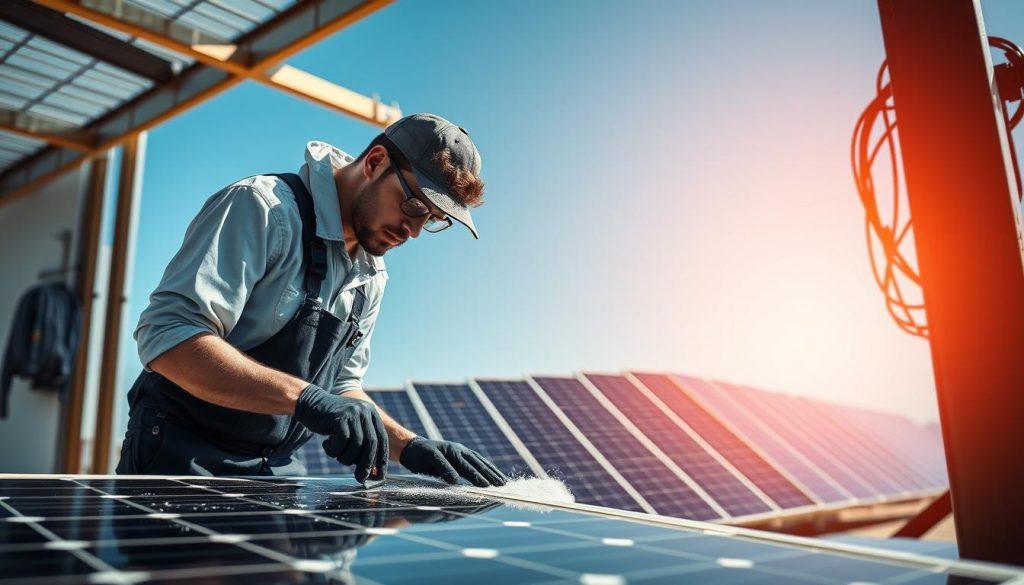
- Regular Cleaning: Dust and debris can cut down energy production. Clean the panels often, like after storms.
- Periodic Inspections: Look for damage, like cracks or loose connections. Check open circuit boxes and wiring.
- Prompt Repairs: Fix any problems right away to avoid more damage and expensive fixes later.
- Pay Attention to Shade: Make sure trees or buildings don’t block sunlight, as this can lower panel efficiency.
Understanding Warranty and Lifespan
Most Indian solar panels come with:
| Warranty Type | Coverage |
|---|---|
| Product Warranty | 10–25 years |
| Performance Warranty | 25 years (ensuring 80–90% efficiency retention) |
IB Solar offers strong product and performance warranties aligned with global standards.. It also gives you peace of mind for the future. By taking care of your solar panels, you can make them last longer and work better.
Conclusion
Embracing solar energy in India brings many benefits. It lowers electricity bills and helps the environment. By using solar panels, people and businesses can make their own power in a green way.
Investing in solar panels is a smart move. It’s a step towards a cleaner future and a good financial choice. Many are choosing this path today.
There are different solar panels to choose from, each with its own efficiency and cost. The government’s support and new tech make switching to solar easier and better. It’s important to think about your energy needs and the savings solar energy can offer.
If you’re thinking about making the switch, IB Solar can help. They offer the support and knowledge needed to make the transition smooth. Their goal is to help customers reach their renewable energy goals. Let’s work together to make our planet better and create a brighter, more independent energy future.