Welcome to our solar guide india. We explore solar energy in India here. Solar energy is becoming key for homes and businesses. This guide covers solar panel types, prices, benefits, and FAQs.
If you’re thinking about solar energy or want to learn more, this article is for you. It’s packed with info to help you start your solar journey.
Key Takeaways
- Understanding the different types of solar panels is key to making good choices.
- Solar energy is booming in India, bringing many benefits.
- Market trends, government plans, and major players define the solar field.
- Prices and subsidies play big roles in solar panel investments.
- Choosing the right installer is essential for a smooth setup.
- Regular upkeep can greatly extend your solar panels’ life.
Introduction to Solar Energy in India
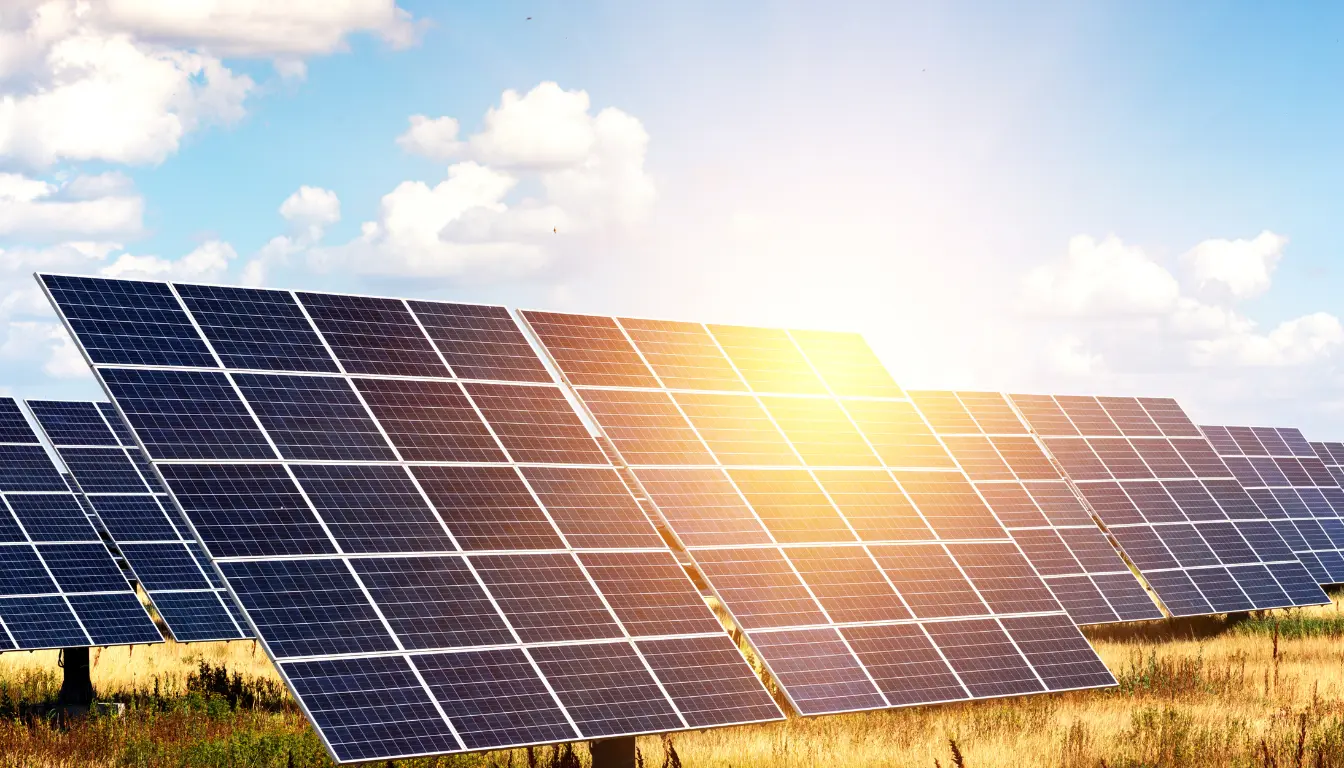
Solar energy plays a crucial role in meeting India’s increasing energy demand. With abundant sunlight throughout the year, India has strong potential for solar power generation. Solar technology supports energy security while promoting renewable energy adoption.
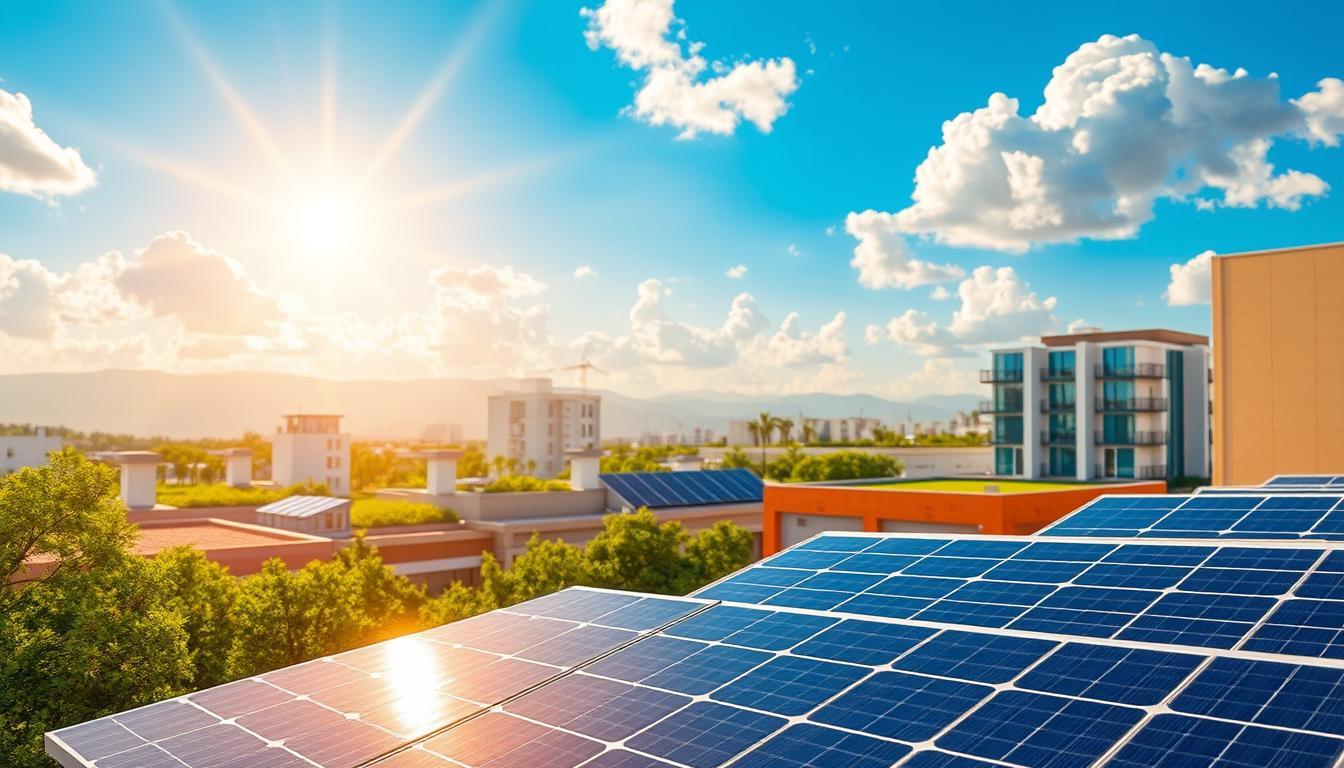
The government’s renewable energy targets have encouraged large-scale solar installations across residential, commercial, and industrial sectors. Solar energy also helps reduce dependence on fossil fuels, improving air quality and supporting climate goals.
Types of Solar Panels Available in India
It’s important to know about the different solar panels to choose the right one for your home. In India, you can find three main types: monocrystalline, polycrystalline, and thin-film solar panels. Each has its own benefits and drawbacks, fitting various needs.
Monocrystalline Solar Panels
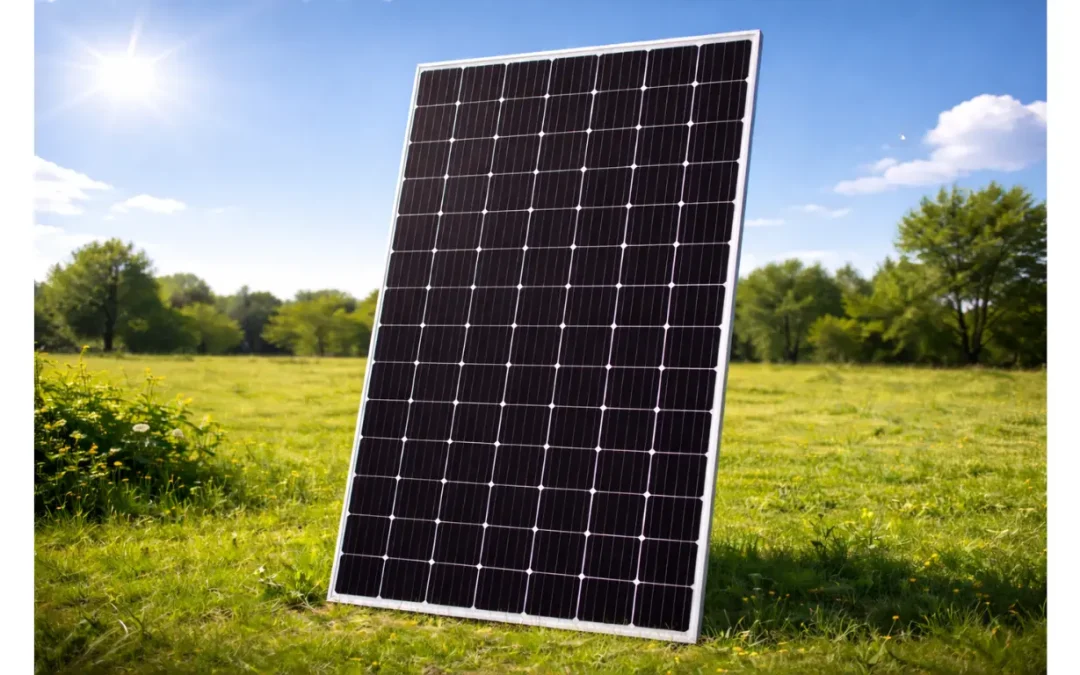
Monocrystalline solar panels are top-notch in efficiency and durability. They’re made from a single silicon crystal, with an efficiency of 15-20%. Their design lets them pack more power in less space. They also last long, making them a favorite for those looking for dependable solar power.
Polycrystalline Solar Panels
Polycrystalline solar panels are made from many silicon crystals. They’re cheaper, appealing to those on a budget. Their efficiency is 13-16%. Though they need more space, they’re great for bigger installations.
Thin-Film Solar Panels
Thin-film solar panels are light and flexible, perfect for certain uses. They use different materials, fitting where other panels can’t. Their efficiency is 11-13%, but their flexibility is a big plus for specific needs.
Benefits of Using Solar Panels in India
Using solar panels in India has many benefits. These include helping the environment, saving money, and providing energy. All these advantages lead to a greener future for India.
Environmental Impact
Solar energy is great for the planet. It cuts down carbon emissions a lot, more than fossil fuels. By using solar, we can reduce greenhouse gases by up to 90%.
This helps fight climate change. It also makes the air cleaner and our ecosystem healthier. So, it’s a big win for those who care about the environment.
Economic Benefits
Solar energy is also good for your wallet. It can cut your electricity bills by up to 60%. This is because solar panels save money over time.
Not only do you save on bills, but your property value goes up too. This makes solar panels a smart choice for homes and investors.
Energy Independence
Solar panels help you be energy independent. They let you make your own electricity. This means you don’t rely as much on the power grid.
As more people use solar, India becomes less dependent on foreign fuels. This makes our energy supply more stable.
Solar Panel of India: Market Overview
The solar panel market in India is growing fast. This growth is due to more energy needs and government support. Reports show a 20% yearly increase in solar installations, showing more people want renewable energy.
As more investors and consumers get interested, the solar industry is changing quickly.
Current Market Trends
There’s a big move towards sustainability in the solar market. Many businesses and homes are choosing solar energy to cut down on carbon emissions. New tech, like better solar panels and energy storage, is helping more people join in.
This shift is good for the economy and helps the environment too.
Key Players in the Industry
Major contributors to India’s solar market include IB Solar Solar, Adani Solar, Vikram Solar, and Tata Power, which manufactures solar panels for residential and commercial use in India.
Their focus on quality and new ideas makes them leaders in the solar market.
Government Initiatives
Government support is key to the solar market’s growth in India. Programs like the ‘Solar Rooftop Scheme’ give financial help to use solar technology. These efforts make it easier for people to switch to solar energy.
Pricing of Solar Panels in India
When we talk about solar panel prices in India, we need to look at a few key points. These include the factors that affect prices and the average costs of different panels. The prices can change due to many things like the quality of materials and how much people want them. Also, government incentives for solar help make it cheaper for people to use solar energy.
Factors Influencing Solar Panel Prices
There are a few main things that make solar panel prices in India go up and down:
- Type of solar panel (monocrystalline or polycrystalline)
- Brand reputation and manufacturer
- Installation costs and associated labor
- Market demand and supply chain logistics
Average Costs by Type
The cost of solar panels can differ based on their type:
| Type of Panel | Average Cost (per watt) |
|---|---|
| Monocrystalline | ₹40 – ₹70 |
| Polycrystalline | ₹35 – ₹60 |
| Thin-Film | ₹30 – ₹50 |
Government Subsidies and Incentives
Government incentives for solar are very important. They can cover up to 30% of the cost of installing solar panels. This makes it easier for people to switch to solar energy without spending too much money. Programs that support solar help make the transition to renewable energy easier and less expensive.
How to Choose the Right Solar Panel for Your Needs
Choosing the right solar panel is all about knowing your energy needs. It’s important to assess how much energy you use every day. Knowing how much sunlight your roof gets is also key.
Assessing Your Energy Needs
First, look at your daily energy use. Check your electricity bills to find out how many kilowatt-hours (kWh) you use each month. Then, think about your home’s orientation and how much sunlight it gets. This helps figure out how much solar energy you can use.
Comparing Different Types
After knowing your energy needs, compare different solar panels. Look at their efficiency and how long they last. Monocrystalline, polycrystalline, and thin-film panels vary in price, efficiency, and warranty. Picking the right panel is important for getting the most out of your solar investment.
| Type of Solar Panel | Efficiency | Price Range | Longevity |
|---|---|---|---|
| Monocrystalline | 15-22% | ₹60-90 per watt | 25 years |
| Polycrystalline | 13-16% | ₹50-70 per watt | 20 years |
| Thin-Film | 10-12% | ₹30-50 per watt | 10-15 years |
Installation Process of Solar Panels
Knowing how to install solar panels is key for a good setup. The first step is picking a skilled installer. Make sure they are certified and have good reviews from past customers.
Selecting a Qualified Installer
When picking an installer, look for those certified by groups like the National Solar Energy Federation of India. Reading what others say about them can help. Here’s what to check:
- Certification and licensing
- Experience in solar panel installation
- Customer testimonials and reviews
- Warranty and service agreements
Steps Involved in Installation
The solar panel installation process has several important steps. Each step is essential for a system that works well and meets safety standards. Here are the main steps:
- Initial Consultation: Talk about your energy needs and options with the installer.
- Site Evaluation: Check the site to find the best spot for the panels.
- System Design: Create a custom solar system design based on the site and your needs.
- Obtaining Permits: Get all the needed permissions and documents.
- Final Installation: Put in the solar panel system and connect it to the grid.
Maintenance and Care for Solar Panels
Keeping solar panels in good shape is key to their performance and life span. Regular care stops common problems that cut down on efficiency. Here are some tips and solutions for common issues.
Regular Maintenance Tips
Regular upkeep is vital for solar panel care. Here are some tips to keep your panels running well:
- Clean the panels every six months, depending on local weather and debris levels.
- Inspect the mounting structures for wear and tear.
- Check wiring and connections for signs of damage or corrosion.
- Monitor your energy output to identify any performance issues.
Common Issues and Solutions
Many homeowners face typical problems with solar panels. Knowing these common issues helps solve them quickly:
- Reduced Efficiency: If panels don’t produce expected energy, check for dirt or shading. Cleaning usually fixes this.
- Inverter Malfunctions: If your inverter fails, it stops energy production. Test the inverter and replace it if needed to keep it working.
- Loose Connections: These can happen over time. Regular checks ensure connections stay tight and energy is not lost.
About Us
IB Solar is an Indian solar panel manufacturer focused on delivering reliable and efficient solar solutions. With years of experience, IB Solar designs and manufactures solar panels suitable for Indian climatic conditions.
The company supports customers through product selection, installation guidance, and long-term system reliability.
Website: IB Solar
Conclusion
As we finish this guide, let’s think about the many benefits of solar energy in India. Switching to solar energy helps the environment and saves money for homes and businesses. It’s a great way to use a clean, endless resource that fits with the world’s energy goals.
This article has shown why choosing solar energy is important. There are different types, prices, and government help available. This means people can see how solar energy can change how they use power. Going solar is not just a trend; it’s a smart choice for a better future.
India is moving towards a greener economy, and solar energy is key. Using solar energy makes us more independent and helps us use resources wisely. It’s time to see how solar technology can help us all, making our future brighter and cleaner.